Published: Tuesday, 28 April 2026 at 12:00 am

In today’s rapidly changing global landscape, traditional development models face unprecedented challenges from climate change, resource scarcity, and widening social inequalities. These crises underscore the critical shortcomings of growth-centric paradigms that prioritize economic expansion over ecological balance and human well-being. Responding to these complex challenges requires a decisive shift toward a new development paradigm focused on innovation and sustainability. Centering these principles within development is no longer optional—it is essential for shaping a more inclusive, resilient, and forward-looking global future.
A development paradigm refers to the holistic approach that guides how societies conceptualize and pursue progress. It encompasses the values, assumptions, and priorities that shape national policies, economic strategies, and social programs. Historically, these paradigms have emphasized industrialization, economic growth, and infrastructure expansion as primary indicators of advancement. However, such approaches often overlook critical dimensions such as environmental sustainability, social equity, and cultural integrity. As global challenges become increasingly complex, there is growing recognition that development must be redefined. Contemporary paradigms advocate for a more integrated approach—one that balances economic objectives with ecological preservation and human well-being. This reflects a deeper understanding that sustainable development is not merely about increasing wealth, but about enhancing the quality of life for all, while respecting planetary boundaries.
The limitations of traditional development models are becoming increasingly evident as global challenges expose the inadequacy of relying solely on economic indicators, such as GDP growth and industrial output. While these metrics offer a snapshot of economic activity, they often conceal deeper systemic issues such as environmental degradation, social exclusion, and long-term vulnerability. Economic expansion alone does not guarantee equitable progress or ecological sustainability, and in many cases, it exacerbates inequalities and resource depletion. Recognizing these shortcomings, the international community has embraced the United Nations Sustainable Development Goals (SDGs), which represent a transformative framework for redefining development. Unlike conventional models, the SDGs emphasize a multidimensional approach that integrates economic viability with social justice and environmental stewardship. They call for inclusive institutions, transparent governance, and climate action, while promoting cross-sectoral partnerships that transcend national boundaries. This paradigm shift encourages nations to adopt policies that are not only growth-oriented but also resilient, inclusive, and ethically grounded—ensuring that development benefits all segments of society and safeguards the planet for future generations.
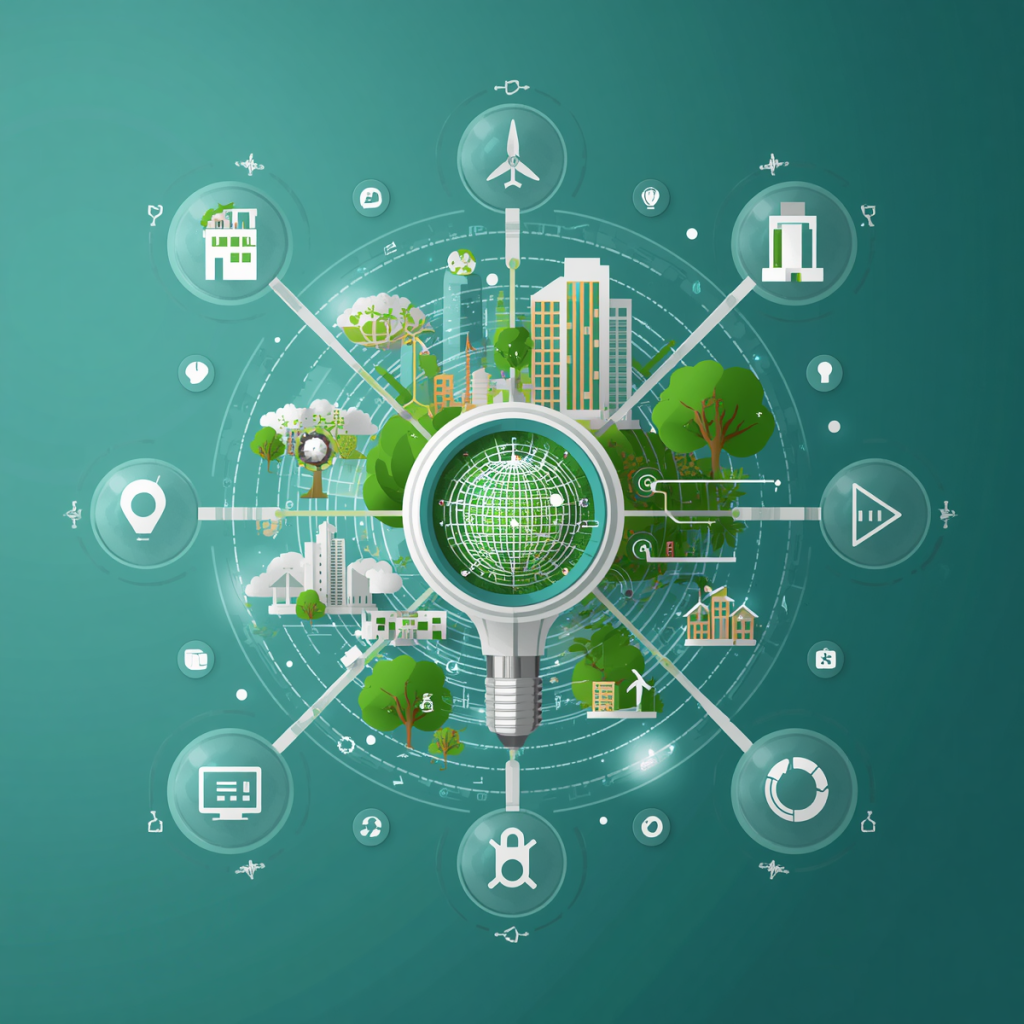
Innovation plays a pivotal role in enhancing adaptability within development systems, especially in the face of rapid global change. Technological advancements are reshaping how societies address long-term challenges and seize emerging opportunities. The integration of tools such as artificial intelligence, blockchain, and the Internet of Things (IoT) is opening new avenues for improving public services, managing data, and strengthening citizen engagement. Digital platforms are expanding access to essential services like education, healthcare, and financial inclusion, particularly in remote and underserved communities. These innovations not only improve operational efficiency but also reinforce transparency and accountability in governance. In agriculture, precision farming and climate-resilient crop varieties enable farmers to respond proactively to shifting weather patterns, boost productivity, and promote sustainable land use. These examples illustrate how innovation, when strategically applied, can be a powerful enabler of inclusive and sustainable development.
Sustainability has shifted from a peripheral issue to a central priority in global development discourse. Environmental degradation now directly threatens the foundations of progress, as evidenced by rising sea levels, extreme weather events, and biodiversity loss. Sustainable development requires the integration of environmental, social, and economic dimensions to promote resource efficiency, social inclusion, and long-term resilience. This approach compels societies to prioritize long-term impacts and intergenerational equity over short-term economic gains. The social dimension of sustainability requires that development processes be inclusive and equitable. Marginalized communities must be actively included, and issues such as gender equality, youth empowerment, and the rights of indigenous peoples must be prioritized in policy and practice. Besides, education and healthcare, as essential components of human development, enable individuals to participate fully in economic and civic life. Inclusive and equitable development strengthens social cohesion and supports innovation, stability, and shared prosperity.
To successfully transition to a new development paradigm, robust policy and governance frameworks are indispensable. Governments bear a central responsibility in crafting and implementing policies that promote innovation and sustainability. This includes strategic investments in education, infrastructure, and research, as well as reforming outdated regulations and fostering dynamic public-private partnerships. The involvement of international organizations, academic institutions, and civil society in promoting inclusive, responsible, and transparent governance is equally crucial. In an increasingly interconnected world, national efforts must be complemented by global cooperation. Challenges such as climate change, health crises, and economic instability are transboundary and require coordinated responses. Multilateral institutions like the United Nations and the World Bank play a pivotal role in facilitating dialogue, mobilizing resources, and aligning policy efforts across borders. Their support ensures that knowledge, technology, and financial assistance reach vulnerable regions where they are most needed. Additionally, mutual cooperation has emerged as a powerful platform for peer learning and innovation among developing countries, enabling the exchange of context-specific solutions and the building of collective resilience. Through inclusive partnerships and shared responsibility, nations can accelerate progress toward sustainable development and uphold the principles of equity, solidarity, and long-term prosperity.
In conclusion, transforming development paradigms is not a theoretical exercise—it is a moral and strategic necessity. Innovation and sustainability are mutually reinforcing pillars that shape a new vision for development. This ethos values regeneration over exploitation, inclusivity over exclusion, and foresight over short-termism. As we confront the defining challenges of our time, the path forward must be bold, collaborative, and compassionate. The future of development depends not only on what we build, but on how we build it—ethically, inclusively, and sustainably.
The writer is a researcher